“Molina Weiser – Story of Hope”
At 24, Molina Weiser escaped her abusive partner, taking their two young sons with her. She had spent her adult life as a housewife, had no formal work experience, and suddenly found herself trying to build a new life from scratch. “I lived with my in-laws. I never worked. I lived on welfare and, food stamps.”
After years of struggling with abuse, drug addiction, and underemployment, Weiser found an opportunity to build a new life through Constructing Hope’s pre-apprenticeship program, and she never looked back.
Weiser experienced domestic violence from the father of her kids for ten years. After permanently, she met a new struggle with substance abuse. She remembers how her sister told her that her addiction was hurting their family. At the time, Weiser couldn’t understand how her actions affected anyone but herself.
Her sons were young adults, and Weiser visited them out of town and spent the night at their house. “They were happy to see me, but they didn’t like what they saw. There was a smile but eyes of disappointment,” she remembers. She would stop using drugs long enough to see them, but in the morning, “I wanted to go get high again,” so she would often leave without saying goodbye.
After her mother died, she made a vow to herself. “I was going to honor my mother with my sobriety.” She checked herself into a rehabilitation center in Portland, got clean, and joined a workforce development program where she found short-term work.
She discovered a Constructing Hope pamphlet through and attended an info session. “It just sounded so promising. It sounded like I could do it. And I don’t know, maybe it just woke something in me, spoke in a sense of confidence that I didn’t know was there.”
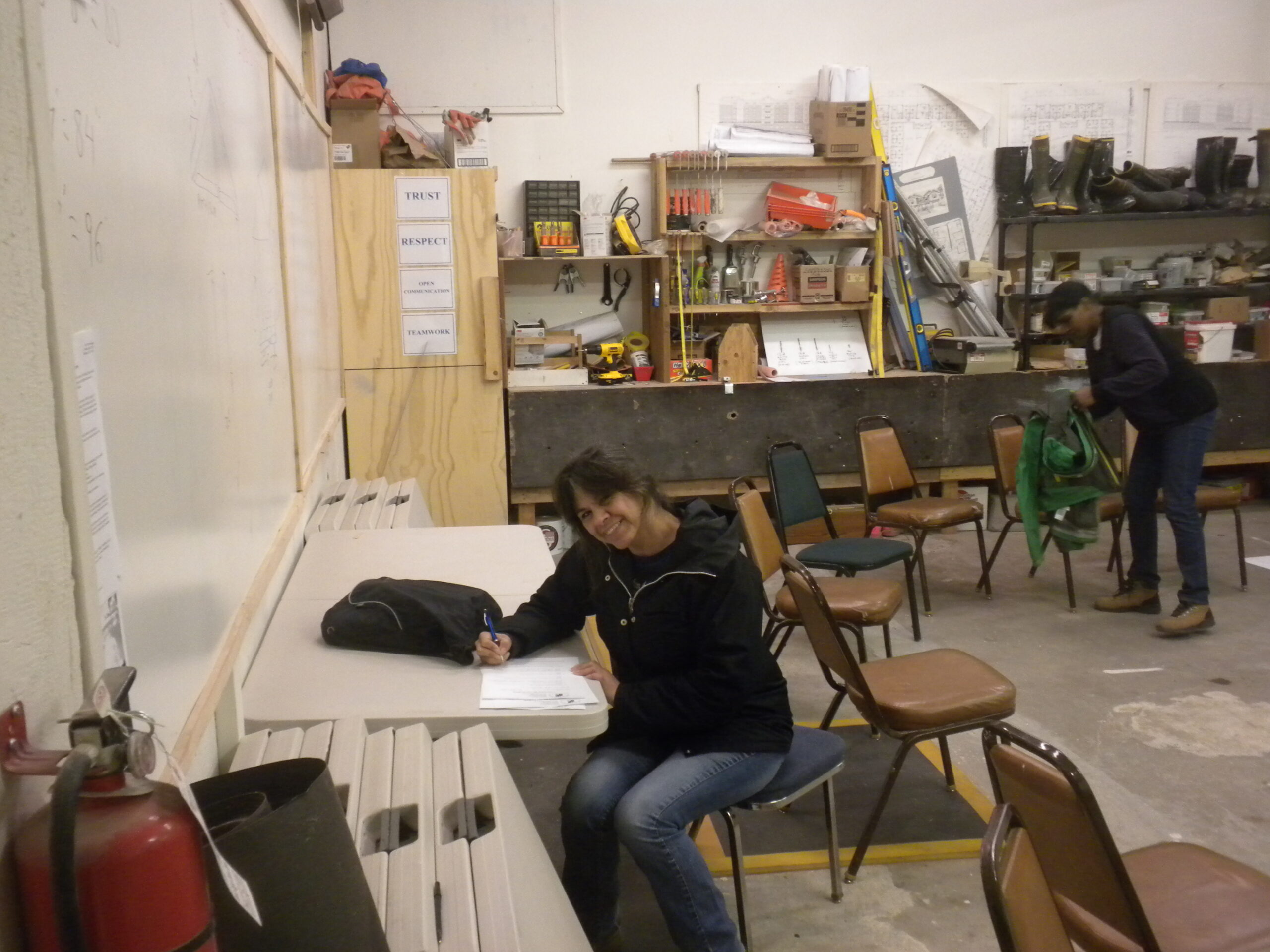
In Constructing Hope’s 10-week pre-apprenticeship program, Weiser maintained perfect attendance and turned in every assignment on time. On the final day, a classmate predicted she would be the only student to get 100% on the final exam, which she disregarded. She was shocked to discover that she was the only person in her cohort to receive a perfect score, challenging her prior belief that she wasn’t smart.
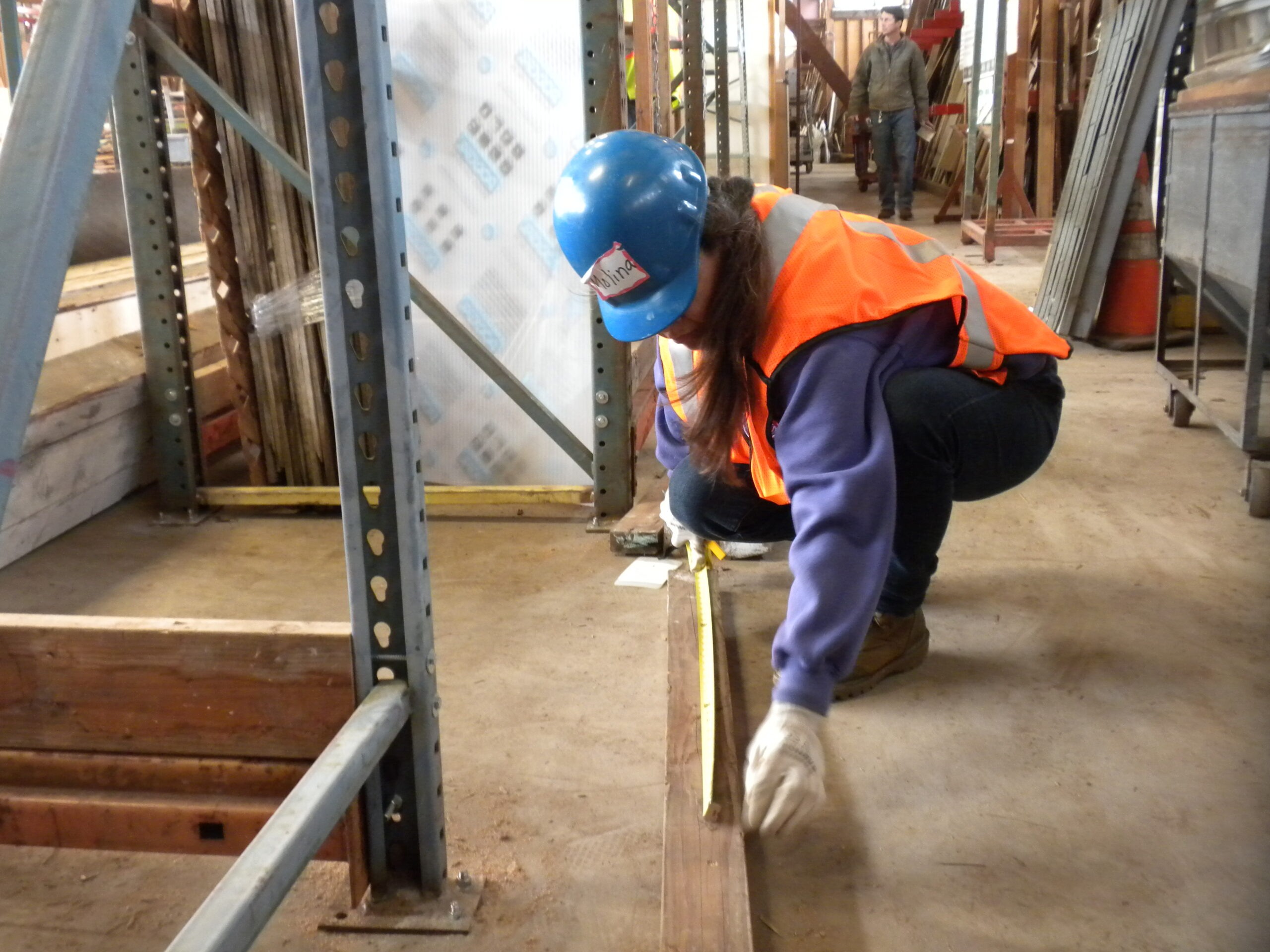
After graduating, Weiser received direct-entry to the Laborers union and completed its demanding boot camp. She described the camp as “the hardest day of my life,” to her two sons. “They said, ‘Just remember, all you gotta do is get to the top of that hill, and you’re gonna see the world of what lies beyond it. It’s gonna be a different world.’ And they were right. I finished the course, got into the Laborers union, and it’s been an amazing journey ever since.”
She stepped onto her first dispatch on the Tilikum Bridge racked with nervousness but excitement. “Nobody else is allowed in here except the people who work here – I’m one of them,” she said. “I kept thinking how privileged and honored I felt that I get to be where nobody else can.” Working on this project “bridged the gap” in her life “from a broken me to a now more confident me.”
Today, Molina Weiser is 14 years sober. She has a career she loves, financial independence, and a healthy relationship with her sons. In a phone call from her jobsite in Boise, she said, “I’m independent. I have a voice. I know who I am. I’m very strong – I’m a very strong woman that I didn’t know I ever was.”